
2026-10-06 · David Miller
How Winter Freezes Affect Drains in Englewood Homes
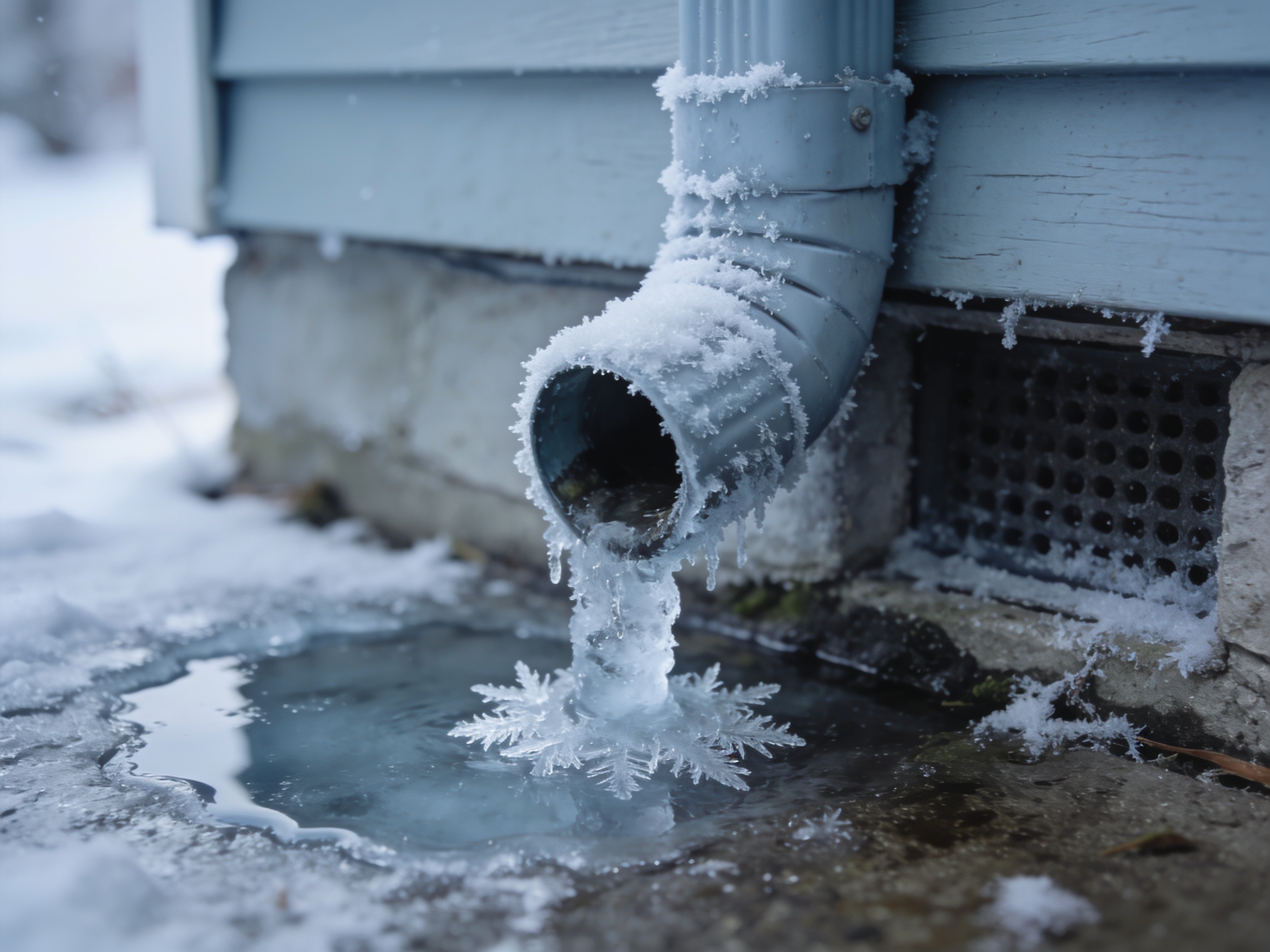
Englewood's cold winters, with temperatures often dropping well below freezing, can significantly affect home drains by causing water within pipes to freeze, leading to blockages, reduced flow, and in severe cases, burst pipes. This impact is particularly noticeable in older homes around Downtown Englewood or Cushing Park, where plumbing may be less insulated or more exposed. When water freezes, it expands, creating immense pressure within the pipes. This pressure can crack or rupture pipes, leading to costly water damage and the immediate need for professional drain cleaning or repair. Understanding these risks is crucial for homeowners in Arapahoe County as we navigate the colder months, especially when temperatures plummet for extended periods, a common occurrence between November and March.
The Science of Freezing and Drain Damage
The fundamental issue when winter freezes affect drains is the expansion of water as it turns to ice. Unlike most substances that contract when cooled, water expands by about 9% when it freezes. This expansion exerts tremendous pressure—upwards of 2,000 pounds per square inch—on the inside of your pipes. Even a small amount of trapped water can cause significant damage. This is particularly problematic for drain lines that might have residual water in them or those that run through unheated spaces like crawl spaces, exterior walls, or uninsulated basements, common in some of the more established properties near Englewood City Center. The material of the pipes also plays a role; while copper and PEX can withstand some expansion, PVC and older galvanized pipes are often more susceptible to cracking under such pressure. When a pipe bursts, the resulting water flow can cause extensive damage to flooring, drywall, and belongings, turning a simple drain issue into a major home repair project.
Common Drain Issues During Englewood Winters
Beyond burst pipes, freezing temperatures contribute to several other drain-related problems. Slow drains are a frequent complaint, often indicating partial freezing within the pipe that restricts water flow. This can happen gradually, as ice crystals build up, narrowing the pipe's diameter. In kitchen sinks, the combination of grease and cold temperatures can exacerbate this, causing grease to solidify faster and adhere to pipe walls, leading to stubborn clogs. For bathrooms, hair and soap scum can become more rigid and less likely to flow freely when water temperatures are consistently low. Outdoor drains, like those connected to downspouts or basement floor drains, are also vulnerable. If these lines freeze, they can back up, potentially leading to basement flooding when snow melts or temperatures briefly rise. Homeowners in Littleton and Cherry Hills Village often experience similar challenges due to the regional climate.
Identifying Frozen Drains: Signs and Symptoms
Recognizing the signs of a frozen drain early can prevent more severe damage. The most obvious indicator is no water coming out of a faucet or water draining extremely slowly from a sink, tub, or shower. You might also notice unusual odors coming from drains if water is trapped and stagnating behind an ice blockage. Another key sign is visible frost or ice on exposed pipes, especially those in unheated areas like utility rooms or near exterior walls. Sometimes, you might hear gurgling sounds from drains as water tries to bypass a partial ice blockage. If you suspect a frozen drain, it's crucial to act quickly but cautiously. Applying direct heat with a blowtorch is dangerous and can damage pipes; safer methods involve gradual warming. For persistent issues, a professional drain camera inspection can pinpoint the exact location and extent of the blockage, determining if it's ice or another type of clog.
Preventing Winter Drain Freezes in Your Englewood Home
Proactive measures are your best defense against winter drain problems. First, insulate exposed pipes, especially those in crawl spaces, basements, and exterior walls. Simple foam pipe insulation, readily available at hardware stores, can make a significant difference. Second, seal air leaks around your home's foundation and exterior walls to prevent cold air from reaching pipes. Third, when temperatures are expected to drop significantly, let faucets drip slowly. This keeps water moving through the pipes, making it harder for ice to form. For pipes that run through cabinets, keep cabinet doors open to allow warmer indoor air to circulate. If you plan to be away from home during winter, consider draining your plumbing system or setting your thermostat no lower than 55°F to ensure ambient warmth. These steps are particularly vital for homes in older parts of Denver and Englewood, where original insulation might be less robust.
What to Do When a Drain Freezes
If you discover a frozen drain, the first step is to locate the frozen section. Once found, you can attempt to thaw it gently. Apply heat slowly using a hairdryer on a low setting, a heating pad, or towels soaked in hot water wrapped around the pipe. Never use an open flame device, as this is a significant fire hazard and can damage pipes. As the ice thaws, water should begin to flow again. If you can't locate the freeze, or if your efforts don't resolve the issue, it's time to call in the professionals. A stubborn ice blockage or a suspected burst pipe requires immediate attention from experienced technicians who can safely thaw the line and repair any damage. Attempting to force water through a frozen pipe can exacerbate the problem and lead to a burst. For more severe blockages, specialized tools like hydro jetting may be necessary to clear the line completely once thawed.